No products in the cart.

Sourcing the Purest Natural Sweeteners Like Stevia
Joseph wasn’t chasing a trend. He was answering a question his own customers kept asking and it led him to the fastest-growing shelf in his business.
Joseph runs a health-food and wellness import business in Nairobi, and for months one comment kept following him around his own stores.
“Do you have anything without sugar?”
He heard it from a diabetic grandmother, from a young man counting macros at the gym, from a mother reading labels on her child’s breakfast cereal. At first Joseph shrugged it off. Then he started counting. Within a single quarter, “sugar-free” had gone from an occasional request to the single most common question his shop assistants fielded. That was the moment Joseph stopped seeing it as a passing fad and started seeing it as the next chapter of his business and the reason he decided to become a serious Stevia distributor.
Why the World Is Quietly Turning on Sugar
Joseph’s instinct was backed by a hard reality. Diabetes and obesity are no longer distant threats; they are everyday epidemics, quietly opening the door to heart disease, kidney damage, and a lifetime of complications. And at the root of it sits one familiar culprit: sugar along with high-glycemic sweeteners, even natural-sounding ones like honey, that spike blood glucose with every serving.
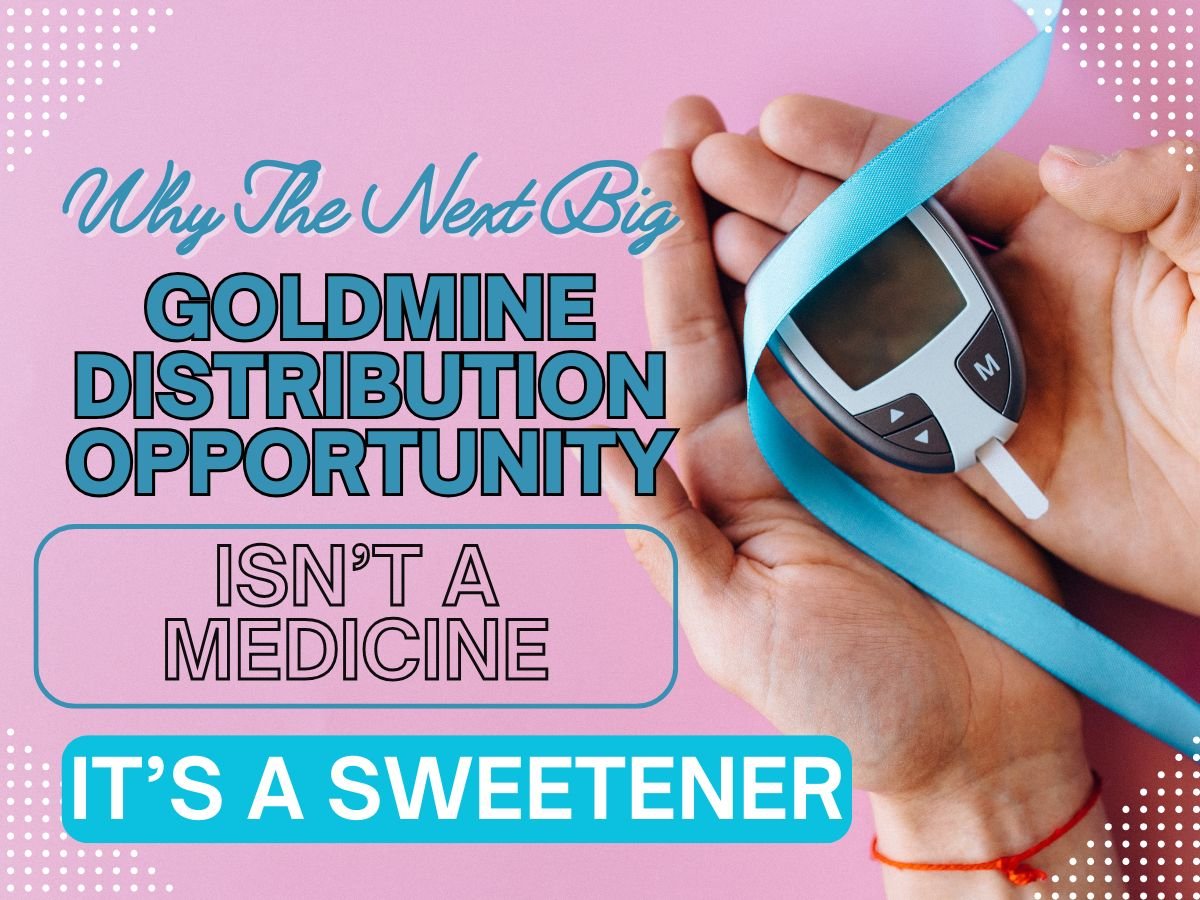
Here is the science that convinced Joseph. The key sweetening compounds in stevia and monk fruit are zero-glycemic and non-caloric. They satisfy the sweet tooth without raising blood sugar or insulin, and, crucially, they come from plants not from synthetic labs like aspartame, saccharin, or neotame. For diabetics, weight watchers, and anyone serious about their health, that makes them the smarter, cleaner choice. For a distributor, it makes them a category with a genuine reason to exist and a long runway to grow.
And the numbers confirm it. The global stevia market, valued at roughly US$1.1–1.5 billion in 2026, is forecast to grow between 6% and 13% a year into the early 2030s. Monk fruit, smaller but faster, is climbing near 9–14% annually by several estimates. In plain distributor terms, this category is expanding at roughly double the pace of most packaged foods. Yet here is the paradox Joseph found most compelling: despite all the awareness, global sugar consumption still rises almost every year. That gap between what people know and what they do is precisely the space a smart sweetener distributorship is built to fill.
Stevia vs Monk Fruit: What Every Distributor Should Know
Before Joseph committed a single shilling, he learned the difference between his two star products because a credible Stevia distributor must explain it to a retailer in thirty seconds.
Taste and flavor. Monk fruit offers a smooth, clean sweetness that closely mimics sugar without a strong aftertaste. Stevia can be intensely sweet, though some users notice a bitter, metallic, or licorice-like note. Monk fruit tends to win on taste alone, which is why both are frequently blended with sugar alcohols like erythritol to improve texture and rounding.
Health and blood sugar. Both have a glycemic index of essentially zero and are safe for diabetes and weight management. Pure forms are gentle on digestion, though blends heavy in erythritol can cause mild upset in some people. Both are zero-calorie; monk fruit additionally carries unique antioxidants called mogrosides.
Cost and availability. Stevia is widely stocked and generally budget-friendly, backed by the deepest body of scientific research which is exactly why a Stevia distributorship is often the easiest entry point into the category. Monk fruit is rarer and pricier, because the melon is harder to harvest and process, which is what makes an early Monk fruit distributor position so valuable as the segment matures.
The honest takeaway Joseph gives his own retailers: for zero calories and zero blood-sugar impact, stevia and monk fruit lead. For whole-food nutrition, raw honey, maple syrup, and blended dates offer vitamins and antioxidants but still move blood sugar. Different goals, different tools and a distributor who explains this earns lasting trust.
Why India, and Why the Right Partner Matters
India has quietly become one of the world’s most important sources of stevia extract and natural sweeteners, combining large-scale cultivation, modern extraction facilities, and pricing that global buyers simply cannot match elsewhere. For any company weighing a sweetener distributorship, India is where premium quality and real affordability finally meet.
But Joseph learned quickly that sourcing from India is not a matter of picking a name off a search page. To export health and lifestyle products like stevia and monk fruit from India with confidence, a structured framework is essential. PHARMET GLOBAL, drawing on years of hands-on experience, follows a disciplined 11-step process: identifying the right manufacturer; verifying certifications; auditing raw material and extraction quality; aligning the product portfolio and format; compiling documentation; customizing it to the destination regulator; ensuring packaging and labeling compliance; negotiating price without compromising purity; optimizing logistics; preparing customs clearance; and protecting batch-to-batch consistency to safeguard long-term brand equity.
Exporting from India Is Not for Everyone: The Paperwork Behind Every Shipment
This is the part most first-time importers underestimate. Clearing an Indian port requires a precise set of documents, and one gap can strand a container.
Commercial documents: the Commercial Invoice (value, description, quantity, terms); the Packing List (net weight, gross weight, dimensions); the Shipping Bill (generated via the ICEGATE portal); and the Proforma Invoice or Purchase Order.
Regulatory & compliance documents: the Import Export Code (IEC) from the DGFT; the relevant export and food-safety clearances; the Manufacturing License proving production in a licensed facility; the Certificate of Free Sale confirming the goods are legally sold in India; and the Certificate of Analysis (CoA) confirming each batch meets purity and safety specifications.
Shipping & logistics documents: the Bill of Lading or Airway Bill; the Certificate of Origin (essential for the buyer’s customs and preferential tariffs); and the Marine or Cargo Insurance Policy.
This is precisely why exporting is not for everyone, and why a dependable partner earns its place. With PHARMET GLOBAL owning this documentation chain, a new Monk fruit distributor or Stevia distributor can focus on selling, not on customs paperwork.
Frequently Asked Questions
Q1. Is a sweetener distributorship actually profitable, or just trendy?
Both. With stevia and monk fruit growing at high single-to-double-digit rates while diabetes and sugar awareness keep rising, a well-run sweetener distributorship rides a genuine long-term shift, not a fad.
Q2. Should I start with Stevia or Monk Fruit?
Most companies begin with a Stevia distributorship because stevia is affordable, widely accepted, and research-backed, then add monk fruit as a premium line. Securing an early Monk fruit distributor position pays off handsomely as that segment matures, and pairing it with a Stevia distributorship gives your company the strongest footing in the category.
Q3. What product formats can I source from India?
Powder, sachets, tablets, and drops 100% natural, zero-calorie, diabetic- and keto-friendly plus fully customized packaging built around your requirements. A capable partner helps a Stevia distributor choose the right mix for the target market.
Q4. How do I guarantee purity and compliance?
Insist on a Certificate of Analysis per batch and full regulatory documentation. This is exactly what protects a serious Stevia distributor from reputational and customs risk.
Q5. Do I need to handle Indian export paperwork myself?
No. A partner like PHARMET GLOBAL manages the entire documentation chain, so your sweetener distributorship starts with selling, not customs headaches.
Joseph Today, and Your Opportunity Next
Today Joseph is one of Nairobi’s recognized names in natural sweeteners. His shelves carry stevia and monk fruit in every format, his diabetic and fitness-focused customers are fiercely loyal, and these are the healthiest-margin lines he owns. What began as a question he kept overhearing became the smartest bet of his career because he entered early, sourced right, and partnered well. His Stevia distributorship now anchors a wider portfolio, and his early Monk fruit distributor position is already paying dividends as that segment grows.
If your fitness-conscious and health-driven customers are demanding a way to cut sugar without surrendering their cravings, stevia and monk fruit are the support their bodies deserve and the opportunity yours deserves. So, a question back to you: which format speaks to your market powder, sachets, tablets, drops, or custom packaging and are you exploring a Stevia distributorship, a Monk fruit distributor role, or a full sweetener portfolio? Tell us, and let PHARMET GLOBAL turn a rising health movement into your most profitable line.
PHARMET GLOBAL India’s most trusted exporter of premium Stevia & Monk Fruit. Reach out to us today and let’s build your sweetener distributorship together.
Your Next Decisive Move
Would you like to reach out to us for seamless Export Support For Pharmaceutical, Innovative Nutraceuticals, Cosmeceuticals, Hospital Consumables or any other products from India as per your requirement?
You can easily connect with us Via the following channels:
- E-MAIL: hello@pharmetglobal.com
- WhatsApp/ BOTIM: +91 9999091881
- WEBSITE: https://pharmetglobal.com
- YouTube: https://www.youtube.com/@Pharmet
- Connect With Our CEO On LINKEDIN: https://www.linkedin.com/in/arvinder270265/
Come, connect with us today & let’s deliver: Health, Happiness & Innovation together…Profitably.

Leave a Reply